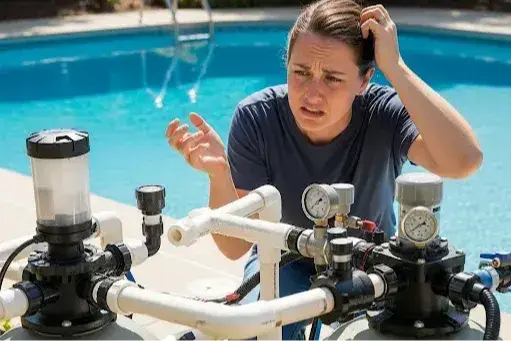
Filtration problems in swimming pools are usually easy to identify. You can visually check the condition of the pool and the filter system. However, to understand the source of the problem, we need to understand the signs of each problem.
In this article, we will help you understand each sign or characteristic of swimming pool filtration problems. To make the discussion easier, let's start by looking at the signs of filtration problems based on the condition of the swimming pool.
Signs of Filtration Problems in Swimming Pool Conditions
Before looking at the pool filtration system, you can identify filtration problems by observing the condition of the pool. Here are some things you need to look out for.
- Visually inspecting pool water
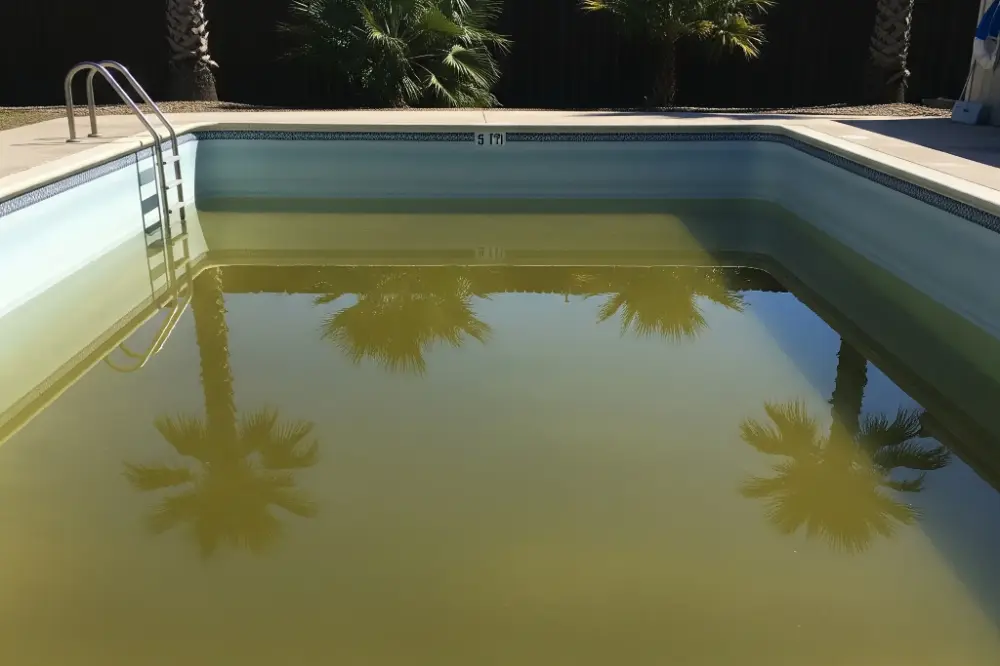
If you find that your pool water remains cloudy or hazy even after filtration, this is a sign that there is a problem with your filtration system. This condition is caused by the filtration not working optimally in filtering out small particles in the pool, or the system not fully pulling particles into the filtration. - Observing sediment or dirt on the walls or bottom of the pool
Dirt that settles on the walls or bottom of the pool indicates a problem with the filtration system. This occurs because the sediment and dirt on the surface of the pool are not being pulled into the filtration system. - Observing algae growth in swimming pools
Rapid algae growth can be a sign of a problem with your pool's filtration system. Typically, swimming pools that undergo regular chemical maintenance can suppress the rate of algae growth in the pool. However, if algae continues to grow rapidly despite regular chemical maintenance, this indicates a problem with your swimming pool filter. This occurs because algae spores are not effectively filtered out during the filtration process, causing these spores to re-enter the pool and accelerate algae growth. - Observing the smell of the water and the pool area
An unpleasant odor indicates bacterial growth in the swimming pool. Although this is not a definite sign of a swimming pool filtration problem, it can be one of the signs of suboptimal filtration.
Signs of Filtration Problems from the Operational Condition of Swimming Pool Filters
After understanding the visual signs of problems with the swimming pool, it is necessary to check the operational condition of the swimming pool filter. This is a further step you can take to identify the source of the problem. Here are some things you need to check and observe.
- Observing leaks around the filtration system
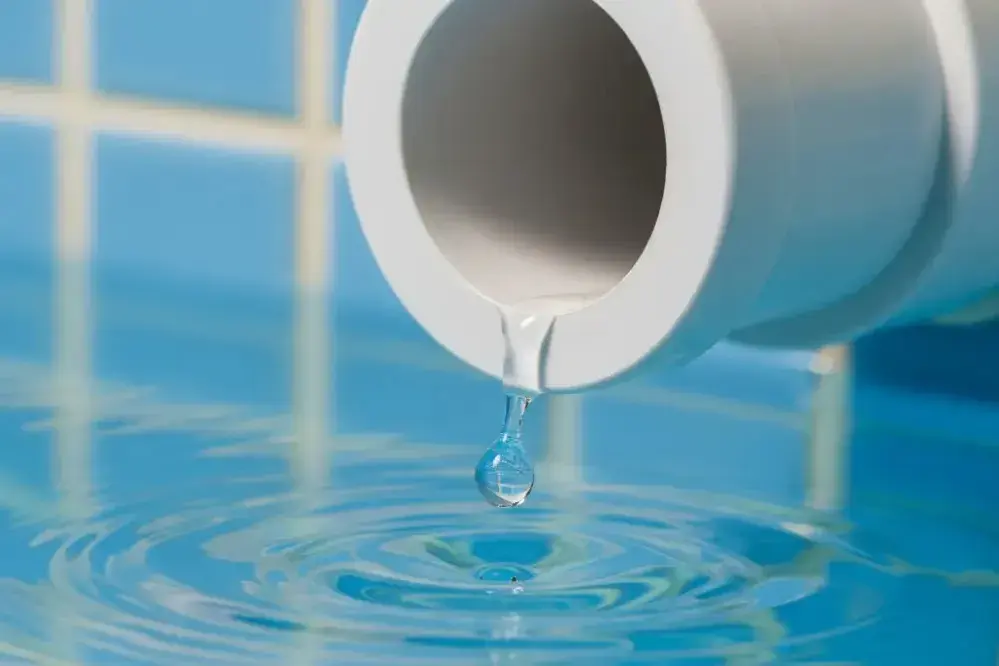
Check the filtration system for leaks. This is important because leaks in the filtration system will affect its performance. Leaks will cause a drop in filter pressure and potentially allow air to enter the filtration system. - Checking the pool filter pressure
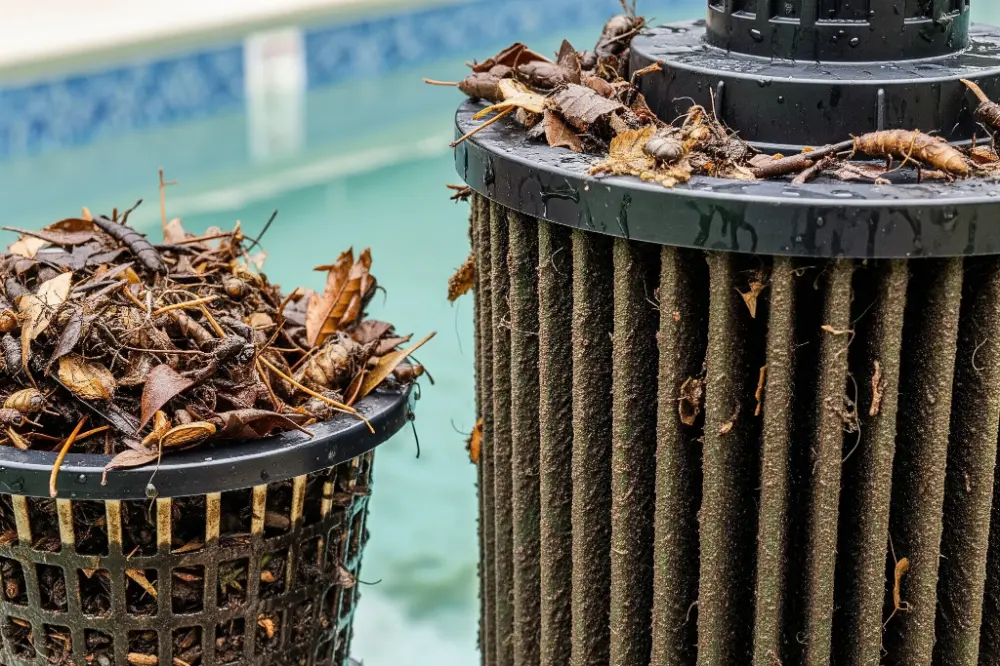
Filter pressure can be an important indicator of the condition of the filter circulation. Abnormal filter pressure (high/low) indicates a problem with the filtration system. Where a filter with higher pressure indicates a blockage in the filter system. Low pressure indicates a problem with the suction system, such as a clogged suction device, suction pipe leaks, and pump problems.
To determine if the filter has abnormal pressure, compare the initial pressure when the pool is clean as a benchmark. If the pressure gauge increases by around 0.3 - 0.7 bar (5 - 10 PSI), then the filter area needs to be cleaned. Conversely, if the pressure is below the initial pressure you recorded, then you need to check the inlet system in your swimming pool.
Example:
When clean, the pool filter has a pressure of 0.7 bar (10 PSI), so you need to clean the filter when the pressure reaches around 1.0 - 1.4 bar (15 - 20 PSI). - Hearing the sound of the pump or the condition of the pump during operation
Noisy sounds from the pump or excessive vibration during operation may indicate a problem with the pump. This problem could be related to the pump motor, impeller, or even air entering the filter system. - See the water flowing return into the pool
You need to pay attention to the water flow returning to the pool. Weak water flow indicates that there is a blockage or a problem with the pump. - Observing the time of the filtration cycle in a swimming pool
A longer than usual filtration cycle time indicates decreased filter efficiency. You can observe how long the filter system takes to clarify the pool water and compare it with previous conditions.
Conclusion
By recognizing the signs of problems that arise in swimming pools, pool problems can be addressed more quickly. In addition, this understanding can also help you identify what your pool needs to operate optimally. That concludes our article on the signs of filtration problems in swimming pools. We hope this article has given you an understanding of how to maintain your pool on an ongoing basis.
If you are looking for swimming pool construction services with a long warranty of up to 15 years or are looking for reliable swimming pool maintenance services in Bali and its surroundings, you can contact us.