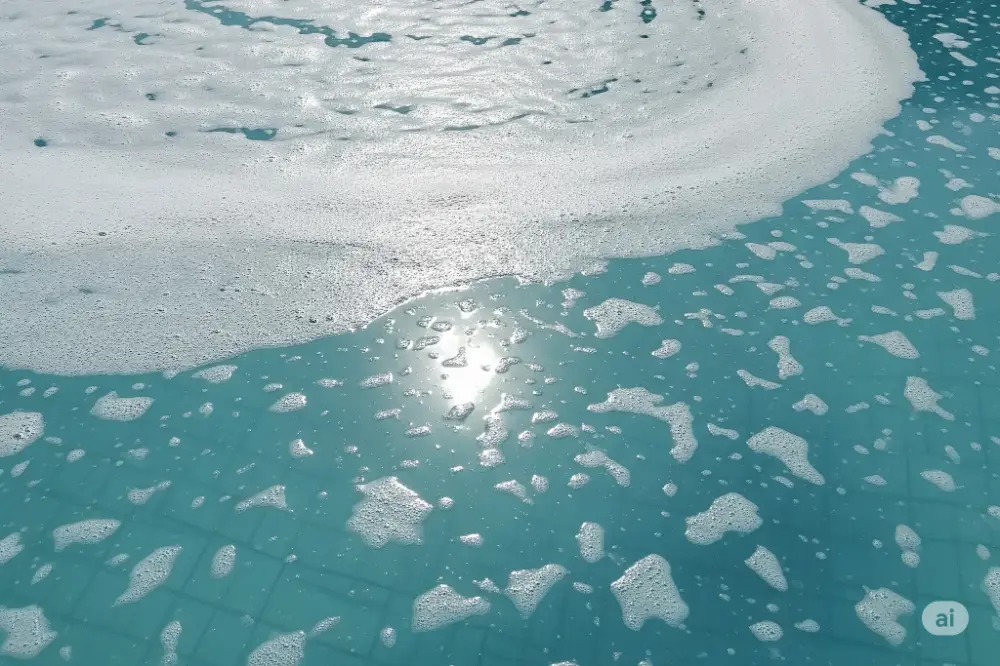
Have you ever seen foam on the surface of your swimming pool? You will surely wonder where it came from. And you may be wondering what effect the foam in your pool has on the health of the users. Foam in swimming pools is often caused by several factors. Even though it is not always dangerous, it can be an indicator of a problem that you need to pay attention to.
In this article, you can find the causes of foam in swimming pools, the health risks of foam, easy tips for removing foam from pools, and steps to control foam in your swimming pool.
What causes foam in pool water?
The first thing you can do when you find foam in your swimming pool is to find out what is causing it. Here are some reasons why swimming pool water can produce foam:
- Organic Residue
Residues or organic matter left in swimming pools can cause foam on the surface of the pool. These organic residues can come from the bodies of pool users themselves. Examples include sweat, oil, cosmetics, lotion, soap still clinging to the body, and detergent used on the clothes of pool users. - Unbalanced Water Chemicals
Foam that appears in swimming pools can also be caused by chemical imbalances in the pool water. Excessively high alkalinity levels in swimming pools can affect the pH of the pool water, whereas the main function of alkalinity itself is to keep the pH of the water stable. If the pH of the pool water is unstable and unbalanced, it can cause chemical reactions that can trigger the formation of foam on the surface of the pool. - Overuse of Pool Chemicals
As is well known, chemicals such as algaecides are typically used to eliminate algae. Some types of algaecides contain surfactants that can produce foam. If algaecides containing surfactants are used excessively, they can cause excessive foaming on the surface of swimming pools. Therefore, it is very important for us to pay attention to the correct dosage when using algaecides. - Swimming Pool Filter Issues
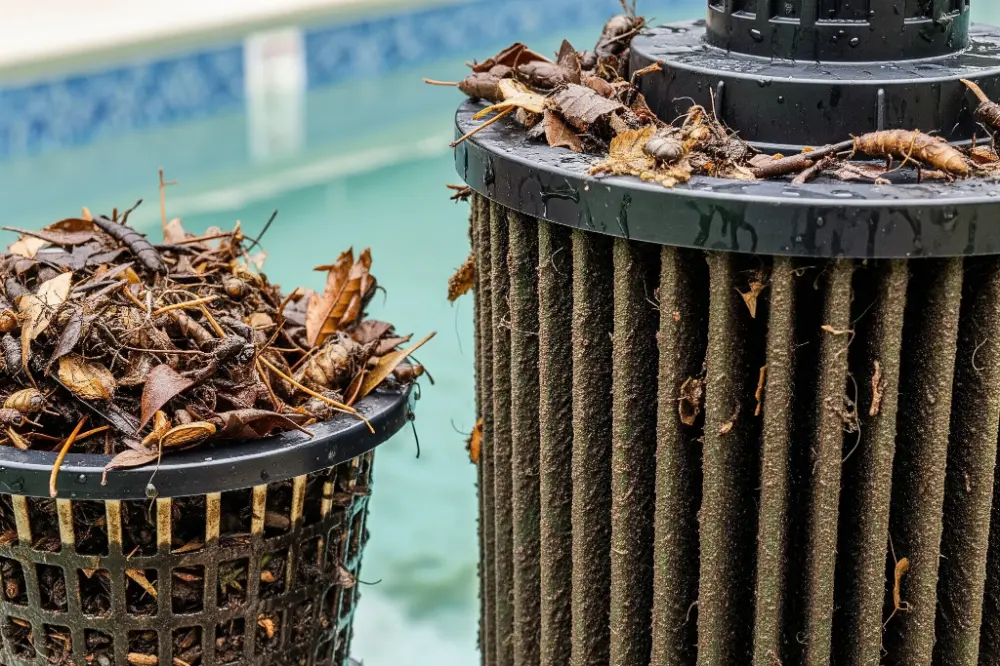
Dirty swimming pool filters that are left uncleaned on a regular basis can accumulate debris such as leaves, hair, organic residues, etc. These accumulated organic materials can decompose into surfactant compounds that can reduce the surface tension of the water and cause foaming on the surface of the pool water.
Health Risks from Foamy Swimming Pools
Besides being unsightly, foam in swimming pools can pose several health risks to pool users. Here are some of the risks associated with using a foamy swimming pool:
- Skin and Eye Irritation
Foam in swimming pools is often caused by an accumulation of organic matter and chemical imbalances. This can cause itchy skin, rashes, and red, sore eyes shortly after using the pool. - Respiratory Problems
Foam produced from decomposed organic matter can release VOCs (Volatile Organic Compounds). If VOCs are inhaled, they can cause irritation of the nose and throat, coughing or shortness of breath, and even dizziness or nausea if exposed to high levels. - Risk of Bacterial Infection
Organic substances such as sweat and oil are ideal food sources for harmful bacteria. Foamy pools can become breeding grounds for bacteria such as E. coli or Pseudomonas, which can cause infections in the ears, eyes, and digestive tract. - Accident
Thick foam can reduce visibility in the water, making it difficult to see the bottom of the pool or someone in the pool. This can increase the risk of accidents for pool users, such as delays in rescuing a drowning person.
Easy Tips for Removing Pool Foam
Basically, foam in swimming pools can be removed by performing routine pool maintenance. Tips for removing foam from swimming pool water include:
- Water Chemical Test
Testing water chemicals is an important thing you can do. You can use a test kit to perform this test. A test kit is a tool used to measure water chemical parameters. Such as: measuring the acidity level in water pH, testing alkalinity as a water pH buffer, and disinfectant levels in chlorine. - Balance Water Chemicals
Always check that the water chemical balance is maintained. A balanced chemical level means that the ideal pH of the water is between 7.2 and 7.6 and the alkalinity level is between 80 and 120 ppm. - Shock Treatment for Swimming Pools
Shock Treatment serves to oxidize organic substances, kill microorganisms, and restore water clarity. By eliminating sources of contamination, the water becomes cleaner and foam-free. - Use a Pool Clarifier or Foam Remover
You can use a clarifier or defoamer to eliminate foam on the surface of your swimming pool. Anti-foam products usually contain active ingredients such as silicone or special polymers that interfere with the surface tension of water, making air bubbles unstable and foam easy to break. - Clean and Backwash the Filter
For sand and DE filters, you can use the backwash method to clean them. It's quite easy to do. First, turn off the pump and set the lever to the “backwash” position. Turn the pump back on and let the water flow from the drain until the water looks clear (about 2-3 minutes). Once the water is clear, turn off the pump and then set the lever to “rinse” for 30-60 seconds. Finally, turn off the pump again, set the lever to the “filter” position, and turn on the filter so that the system can resume filtering as usual.
Steps to Prevent Foam in Swimming Pools
To prevent foam in your swimming pool, you can take the following steps:
- Shower or Rinse Your Body Before Swimming
Before swimming, you should clean yourself with clean water first. The purpose is to reduce residues (sweat, oil, soap residue, cosmetics) that stick to the body which can trigger reactions with pool chemicals. - Choose the Right Chemical Product
Use products with high-quality chemicals without detergents for your swimming pool. In addition, you can choose stabilizer products to keep chlorine levels balanced and effective in killing germs. - Regularly Check Water Chemicals
Perform regular checks on the pH, chlorine, and alkalinity levels of your swimming pool water. Chemical imbalances in the water are one of the main causes of foam in swimming pools. - Lakukan Pembersihan Berkala
Pembersihan area kolam secara rutin seperti menyikat dinding, membersihkan filter, dan menyaring kotoran organik (daun, rambut, serangga) secara berkala dapat menjadi pencegah munculnya zat penyebab busa pada kolam renang.
Conclusion
Those are some important things you need to know about foam on the surface of your swimming pool. We hope that the information we have provided in this article will help you understand and find a solution to remove foam from your swimming pool.