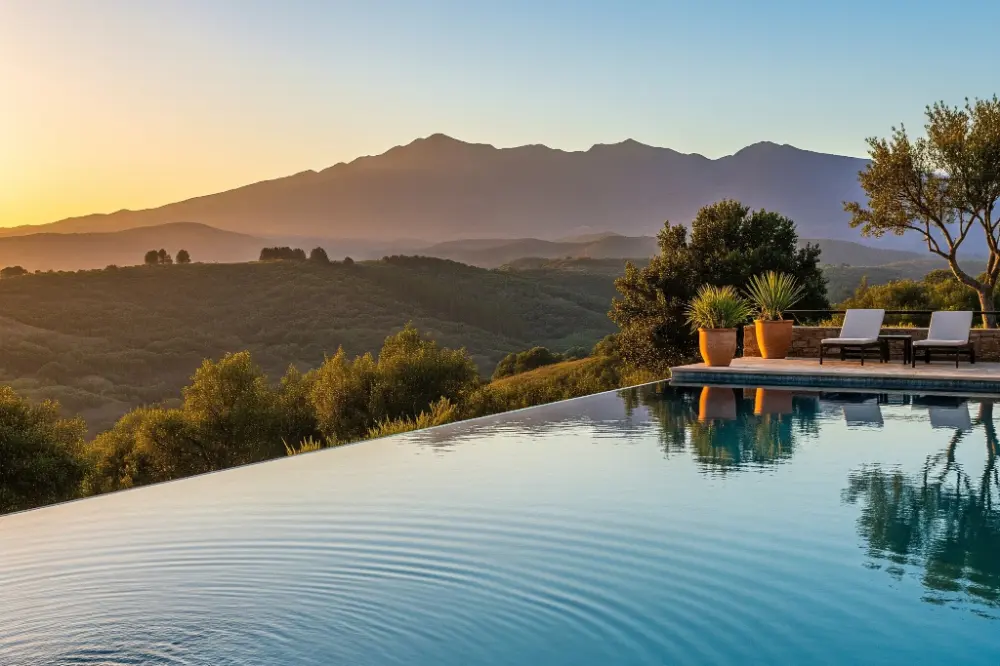
How can you know if your swimming pool is safe and healthy to use?
The fact is, a good and safe swimming pool is not only judged by its visual aesthetics. Several important standards must be met, such as cleanliness, safety, and comfort. These three aspects are key indicators to ensure that your swimming pool is truly safe and healthy for users.
In this article, we will discuss and identify the main characteristics for a safe and suitable swimming pool. Starting from indicators of water cleanliness in swimming pools, to indicators of safety in swimming pools. Both of these indicators are important to ensure a healthy and comfortable swimming experience. In addition, by understanding these indicators, you can conduct independent evaluations and keep your swimming pool in optimal condition.
Water Cleanliness Indicators
The following are key indicators that signify the cleanliness of swimming pool water and can be used as a reference to ensure that swimming pools remain safe and healthy.
- Water Clarity
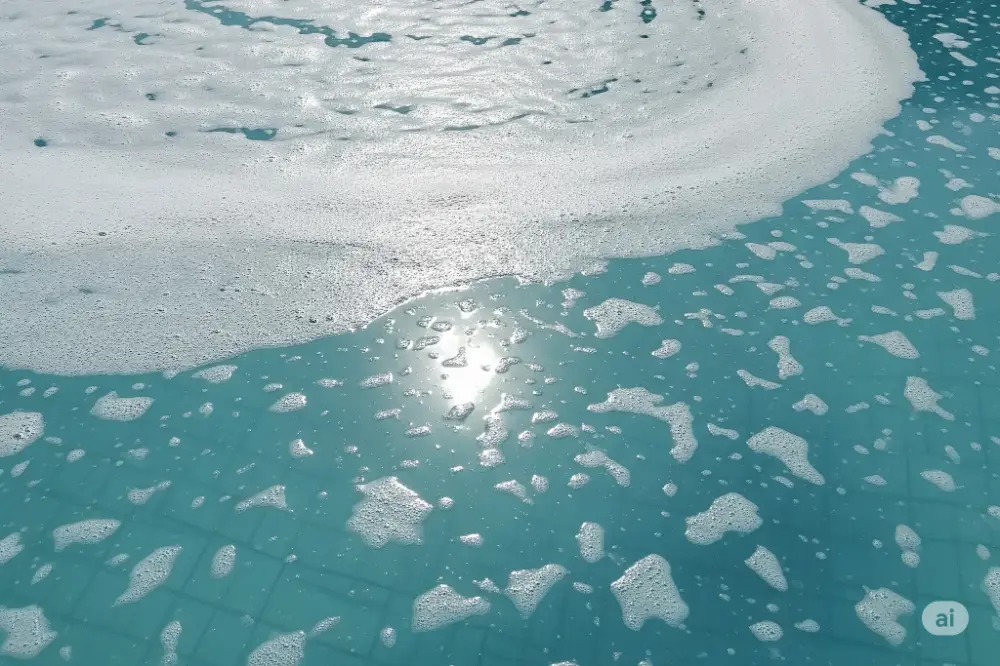
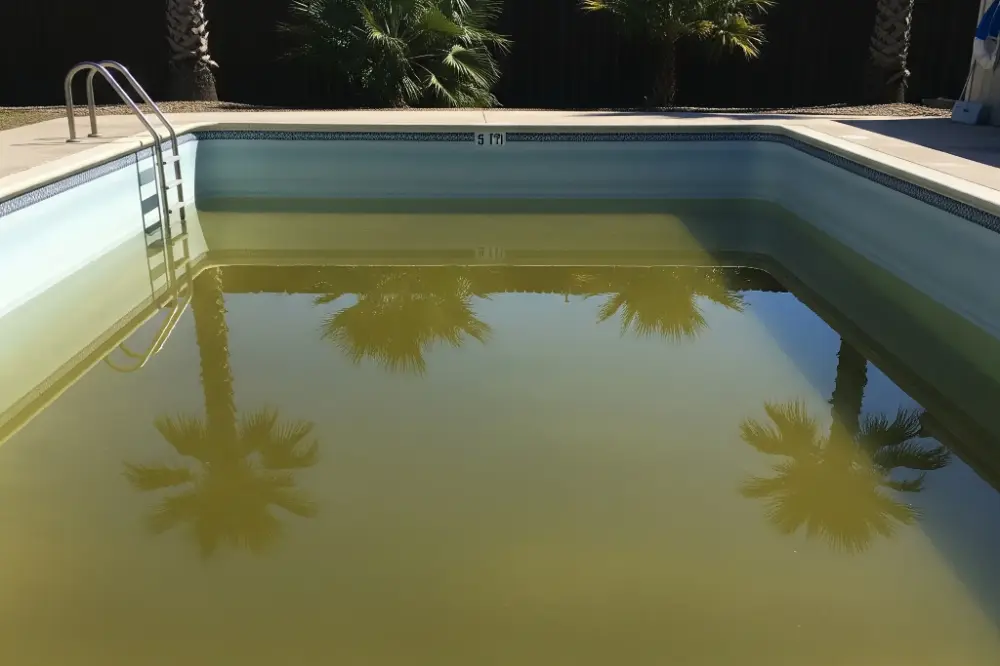
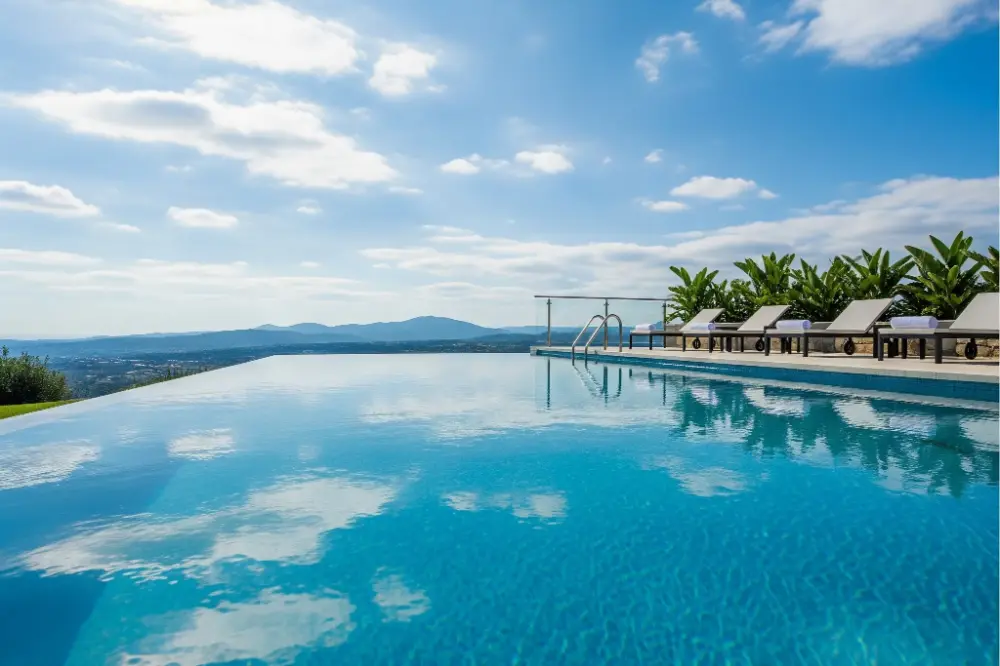
The clarity of the water in a swimming pool can be an important indicator of the pool's suitability for use. Clean swimming pool water is characterized by visual clarity that allows the bottom of the pool to be clearly seen without any floating particles or sediment on the bottom of the pool. However, if the pool water appears cloudy and discolored, this indicates a problem with the filtration system, chemical balance, or algae growth. - No Strong Smell of Chlorine
Have you ever smelled a strong chlorine odor even though the water looks clear? In fact, the pungent smell does not come from pure chlorine, but from chloramines, which are compounds formed by the reaction of chlorine with organic matter such as sweat, urine, or cosmetic residues. It is these chloramines that cause unpleasant odors and irritation to the eyes or skin. A truly clean swimming pool should not have a pungent odor. - pH Balance
Swimming pools need to have water with a balanced pH level to ensure comfort and safety while swimming. The ideal pH range for swimming pool water is 7.2 to 7.6. An imbalance in the pH of the water can cause irritation to the eyes and skin, and can reduce the effectiveness of chlorine disinfection.
Swimming Pool Safety Indicators
In addition to water cleanliness indicators, there are safety indicators for swimming pools that are important to pay attention to. Here is a short review:
- Slip-Resistant Pool Surface
The selection of non-slip pool surface materials is very important to prevent the risk of slipping, especially in pool areas that are often wet. By using textured materials that have high grip, such as andesite stone or rubber carpet, pool users can walk more safely and comfortably. This feature not only protects against physical injury but can also improve overall safety standards. - Clear Depth Markers
Clear depth markers are a crucial element in swimming pool design. This is because depth markers serve as a visual guide for users to adjust their swimming activities to the conditions of the pool bottom. This information is vital for preventing accidents, especially in shallow areas where diving can cause injury and in deep areas that can be dangerous for inexperienced swimmers. Clear and contrasting marker information can minimize the risk of missteps, panic, or drowning. - Well-Maintained Structures and Equipment
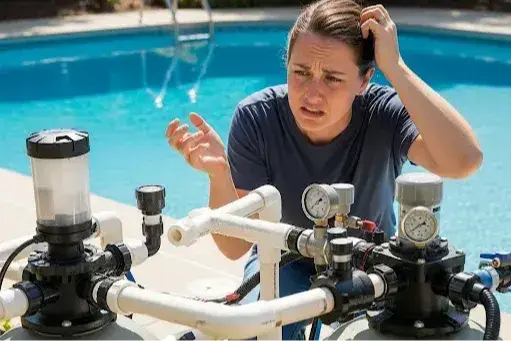
Good physical condition of the swimming pool is a major factor in ensuring the safety and comfort of pool users. A pool that is free of cracks, intact tiles, and sturdy steps can help prevent injuries caused by slipping, tripping, or scratching. In addition, technical equipment such as pumps, water filters, and inlets must function optimally to maintain water quality, water circulation, and support effective disinfection. When structural and mechanical components are well maintained, the risk of accidents and health problems can be minimized. - The Right Water Temperature
The ideal water temperature for swimming pools ranges from 26°C to 28°C, which creates a comfortable and enjoyable swimming experience. At this temperature range, the body does not feel too cold, thus avoiding cramps and muscle tension, but also not too warm, which can cause fatigue or discomfort. Proper temperature control can help maintain the swimmer's body temperature balance and create comfort and satisfaction for swimming pool users. - Good Water Circulation
An optimally operating circulation system plays an important role in maintaining the quality and safety of swimming pool water. Good circulation ensures that chemicals such as chlorine are evenly distributed throughout the pool, so that the disinfection process is effective and consistent. In addition, stable water flow can carry debris on the surface of the pool to the filtration system, keeping the pool clean and clear. Without adequate circulation, debris can accumulate in certain areas or create zones with unbalanced chemical levels. This can potentially cause irritation or health problems for pool users.
Conclusion
A good swimming pool is not the result of chance, but a result of pool maintenance and attention to every detail of the pool itself, from water quality to the physical and technical condition of the pool. In addition, to maintain safety and comfort, it is important for users to always check the condition of the pool water, ensure that all pool equipment such as pumps and filters are functioning properly, and pay attention to the condition of the pool's surroundings before use.
Those are the characteristics of a good pool for swimming. Hopefully, by knowing these characteristics, you can ensure a safe, healthy, and enjoyable swimming experience.