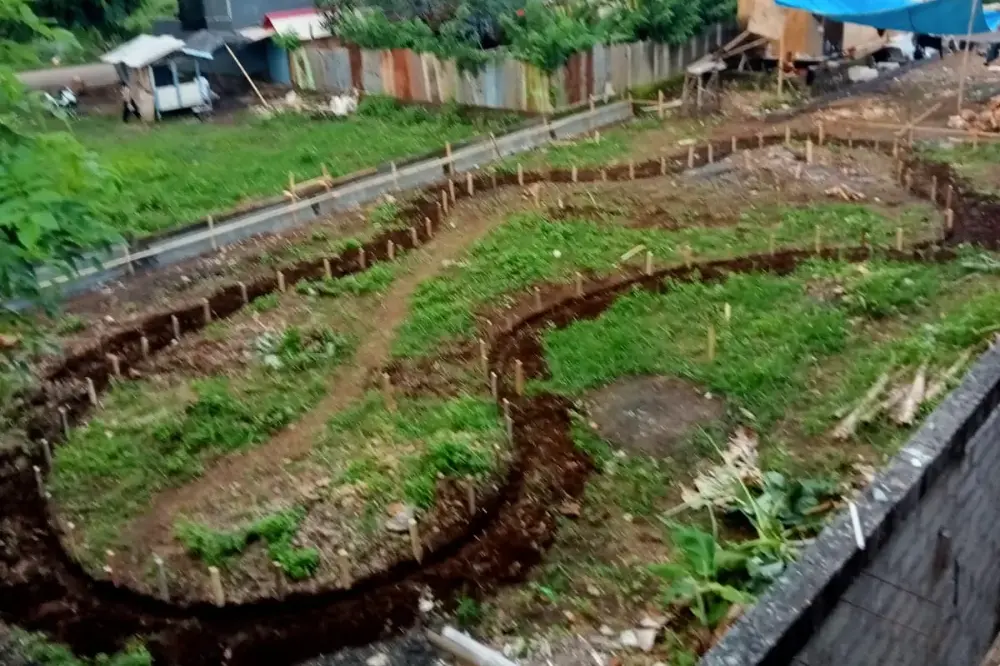
Before a swimming pool can be built, the construction land must be prepared systematically and carefully. This initial stage is not just a matter of digging the ground and pouring concrete, but rather a series of technical tasks that determine the long-term success of the pool structure. The initial work in swimming pool construction aims to ensure that the construction area is secure, stable, and in accordance with the planned design. This starts with clearing the land, setting out the measuring stakes, and beginning the excavation. Each of these steps plays an important role in maintaining the quality and efficiency of the construction.
This article will discuss in detail the initial process of preparing the land for a swimming pool as the main foundation for safe and efficient building construction. Let's start with the following land clearing stages:
1. Land Clearing
Land clearing is the initial stage to ensure that the swimming pool construction area is ready for work. The aim is to provide a safe, clean work area and avoid obstacles during the measurement and excavation process.
Land clearing steps:
- Vegetation clearing (grass, shrubs, and roots)
Clear the land surface of grass and shrubs so that they do not interfere with the stake setting process. Large trees and their root systems also need to be cleared to prevent damage to the pond structure in the future. The remains of this vegetation clearing can be composted in a separate location so as not to contaminate the work area. - Demolition of Existing Structures (remnants of old buildings)
If there are remnants of old buildings such as floors, concrete, or fences, carry out demolition in accordance with safety procedures. Separate concrete, iron, and wood debris for recycling or disposal according to type. Also ensure that there are no nails, cables, or electrical currents that could endanger workers. - Leveling and Rechecking
Ensure that the land is level and free of visual and physical obstacles before marking out the plot. Don't forget to check again for any roots in the soil, large rocks, and puddles that need to be dealt with.
2. Making a Measuring Stake (Bouw Plank)
Benchmarks ensure that the dimensions, position, and elevation of the pool are in accordance with the design and do not shift during construction. The process of installing benchmarks serves as a precise reference for excavation, casting, and mechanical system installation.
The process of making measuring stakes is as follows:
- Determine the zero point to be used as a reference for construction height. A spirit level and laser level are also needed to accurately determine the elevation of the pool, the height of the walls, and the position of the overflow.
- Installation of wooden or metal stakes at the corners or key points of the pool, such as the inlet, outlet, and skimmer. A plank is placed horizontally on top of the stakes to support the measuring tape that marks the excavation boundaries and pool dimensions.
- Double-check and match the stake positions with the technical drawings to avoid mistakes during excavation.
- Use temporary fencing and visual markers such as colored paint so that the stakes do not shift and are easily recognizable to workers.
3. Digging a Swimming Pool
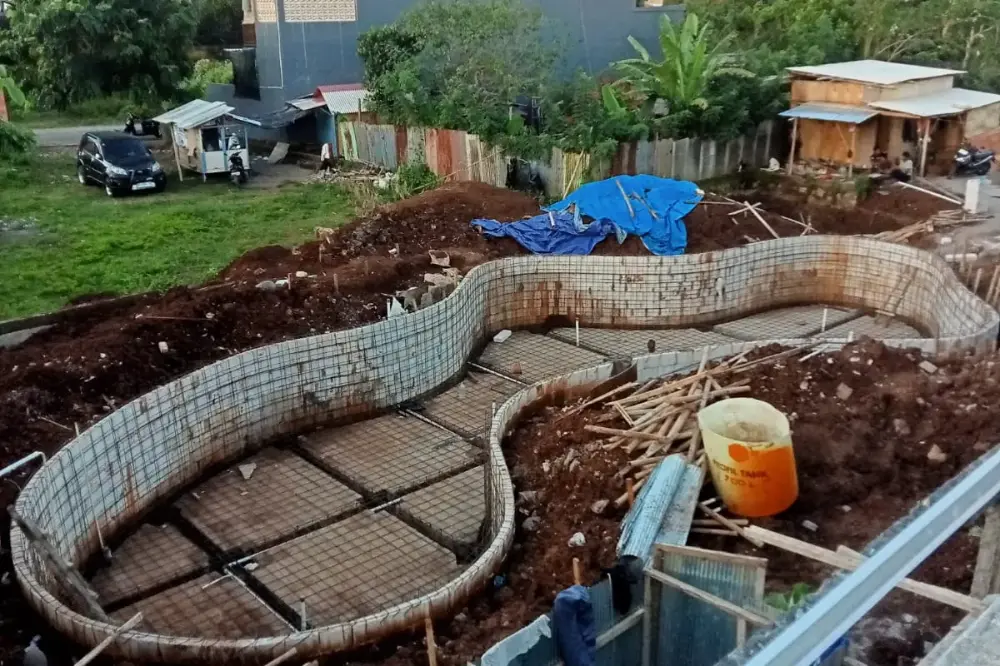
Excavation is a construction stage that determines the shape, depth, and stability of the swimming pool structure. This process must be carried out with high precision and in accordance with the design so as not to cause structural problems in the future.
Here are the steps in excavating soil:
- Excavate by following the previously established stakes or bouw plank. This excavation stage begins at the deepest point and then moves upward to the shallowest point according to the depth design.
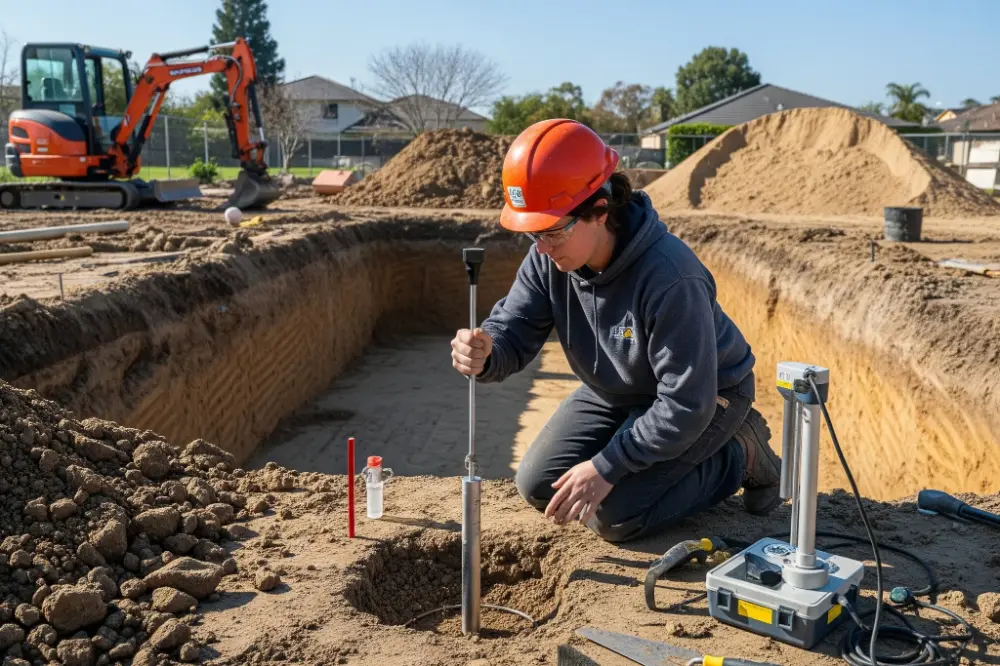
- Ensure that excavation is carried out according to the design. To obtain accurate results, use tools such as a spirit level, laser level, or tape measure to ensure that the depth and slope are as planned.
- Separate the topsoil for landscaping and the subsoil for backfilling or disposal.
- Use a stamper or roller to ensure that the base of the pool is stable and does not sink easily.
- Create temporary drainage channels such as small ditches, which are useful for draining unused water out of the work area.
Important Things in Excavation
In the process of excavating land, especially for building a swimming pool, there are several specific considerations that need to be taken into account. The following is a brief explanation of the important things to consider when excavating a swimming pool:
- Stability of Excavation Walls
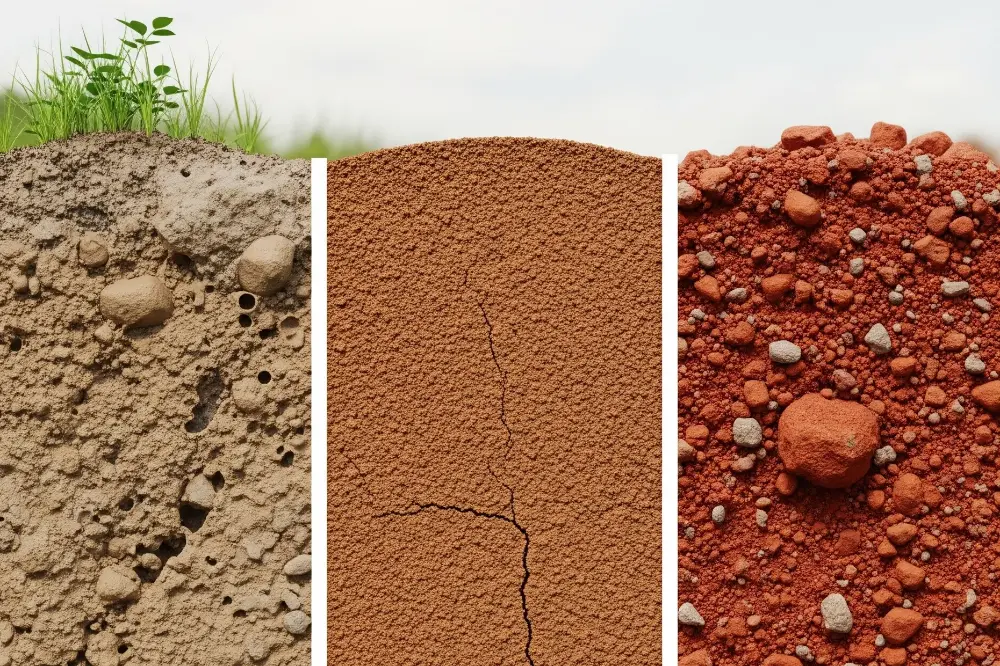
To minimize the risk of landslides in excavated soil, use shoring or temporary supports to hold the soil walls in place. This is especially important if the excavated soil is prone to landslides, such as clay, loose soil, or sandy soil. - Checking the Elevation of the Excavation Base
This check is an important step to ensure that the depth and water circulation system are working optimally. The two tools commonly used are a spirit level and a theodolite. - Road Access
Ensure that heavy equipment such as excavators, dump trucks, and other equipment can enter the site without damaging the surrounding area. - Workplace Safety
Use safety fences and signs to protect the work area from unauthorized access. In addition, workers are required to use personal protective equipment while working to minimize workplace accidents.