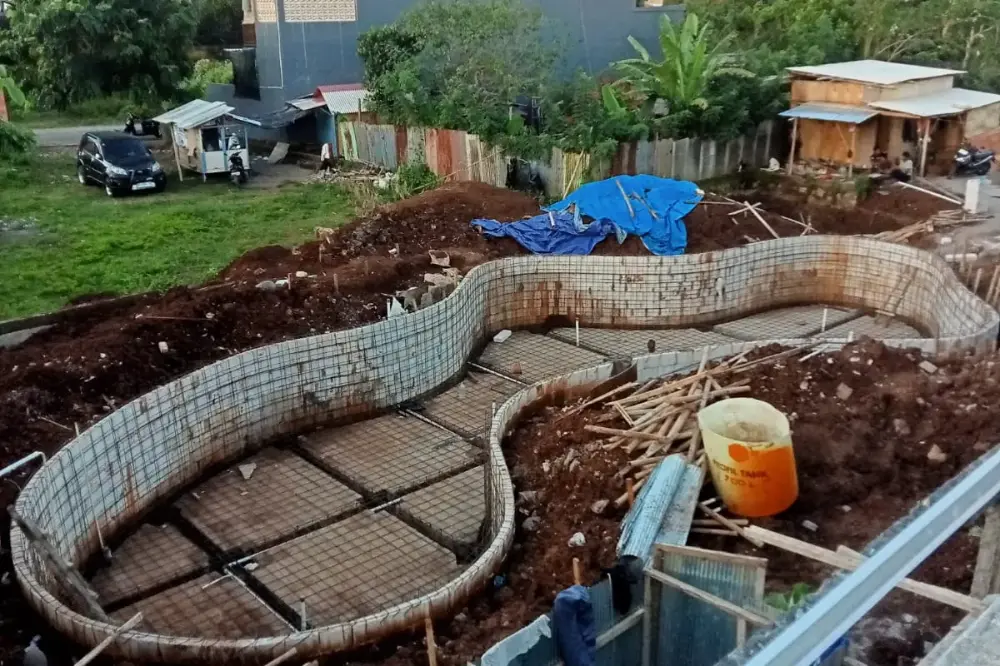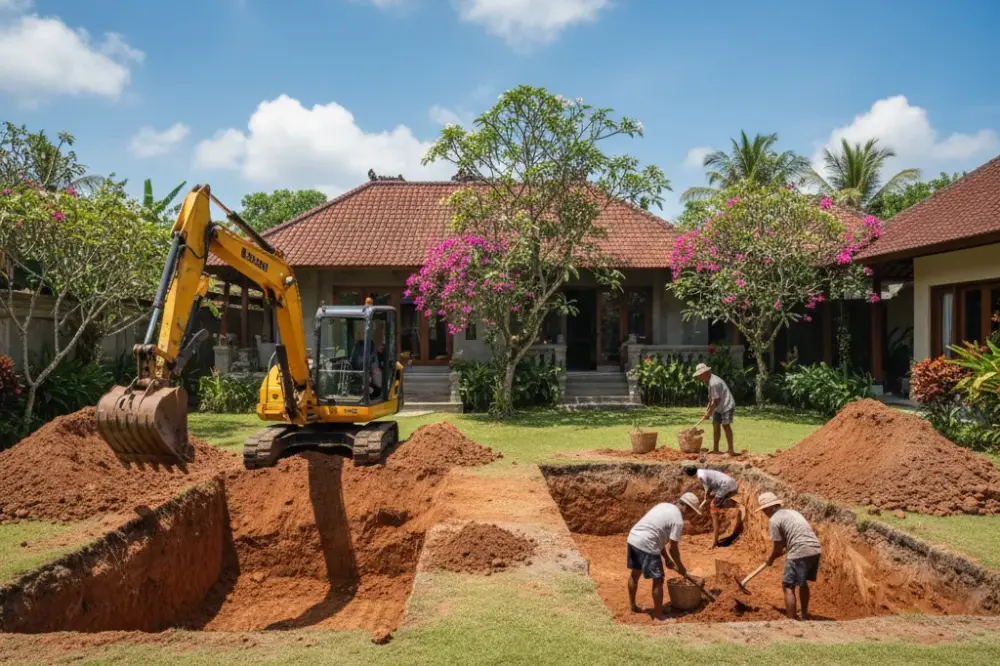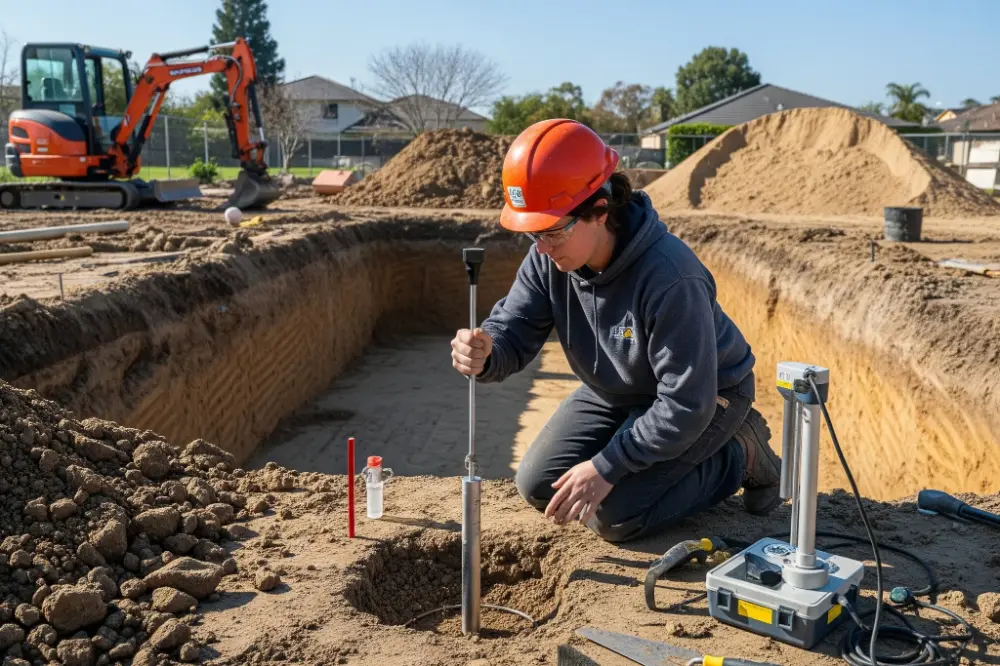
Conducting soil testing before building a swimming pool is very important. Soil testing is not just a formality, but rather a determining factor in the long-term success of the construction. With the results of this testing, appropriate construction can be carried out, both structurally and ecologically. This step can save time and money, and reduce the potential for various risks in the future.
Understanding the importance of soil testing, Bali Arsitek tries to share how important soil testing is in this article. Let's start the discussion by understanding the importance of soil testing.
What is Soil Testing and Why is it Mandatory?
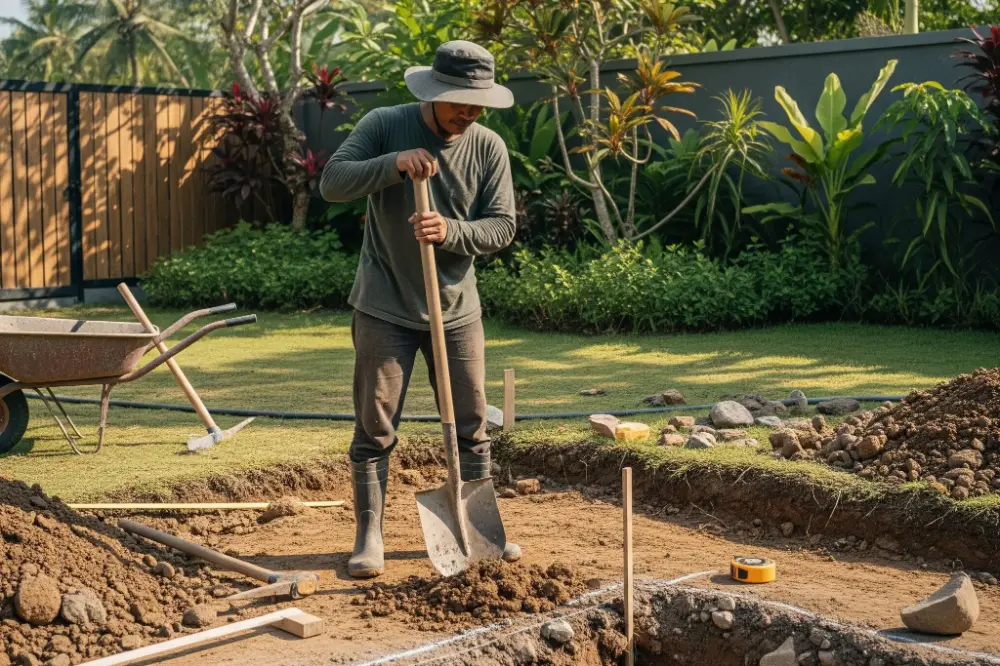
Soil testing is a process of analyzing the physical, chemical, and biological characteristics of soil. This analysis is intended to assess soil conditions, which are then used as material for designing swimming pool construction plans.
With a soil test, you can understand and predict how the soil will react to water, the structural load on the pool, and the chemical interactions in the water that will be used in your pool.
The Main Purpose of Soil Testing Before Building a Swimming Pool
As mentioned earlier, the purpose of soil testing is to determine the characteristics of the soil on which the swimming pool will be built. In this section, we will discuss the main objectives of soil testing in detail.
- Determine the bearing capacity of the soil for the structural load of the swimming pool.
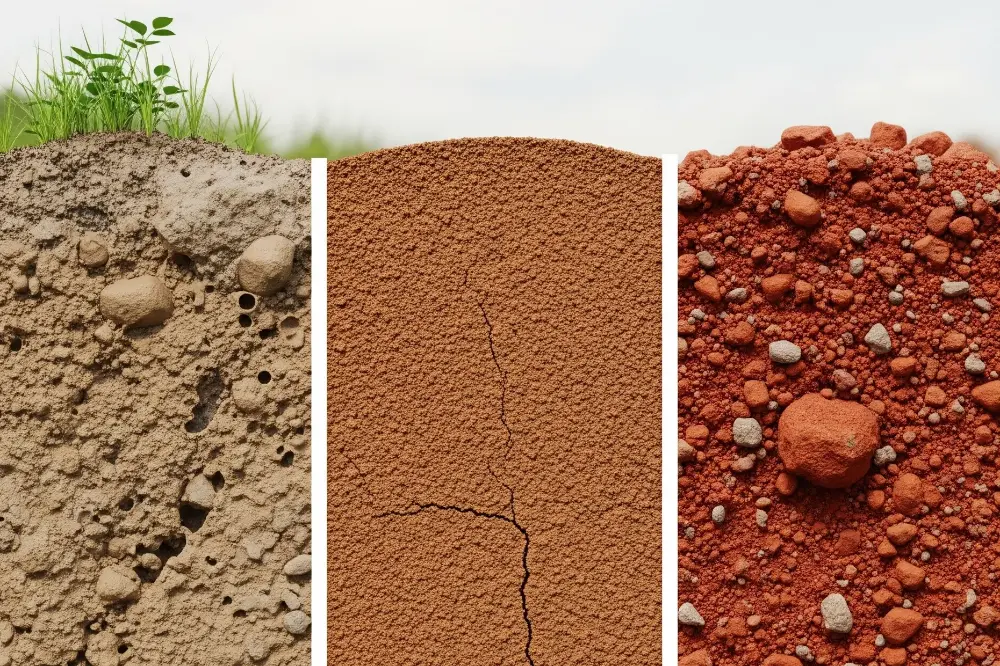
- Identify the type and texture of the soil so that its drainage, plasticity, and stability properties can be determined.
- Measure and assess whether the soil is capable of retaining water or requires an additional layer to prevent the pool from leaking.
- Determine the density and moisture content of the soil for the compaction process and foundation stability.
- Understanding the chemical properties of the soil (pH, salt content, or organic matter that can affect corrosion), concrete reaction, or microorganism growth.
- Determining the appropriate depth and type of foundation.
- Detecting early on the potential for damage that may be caused by unsuitable soil types, such as soft soil, expansive soil, or peat layers.
Risks If Soil Testing is Ignored
Risks may arise if soil testing is skipped during the construction of a swimming pool. This is not only detrimental to the contractor but can also be detrimental to you as the pool owner. Some risks that may occur if soil testing is not carried out include:
Risks for Contractors
- Project Failure
If the pool cracks or develops problems after completion, the contractor must bear the cost of repairs. The costs incurred by the contractor can be quite substantial, causing losses that could lead to the project's failure. - Bad Reputation
If swimming pool problems occur continuously, this will damage the contractor's reputation and credibility with the customers. - Early Warranty Claims
Structural problems caused by unstable soil will trigger warranty claims from customers, possibly earlier than the warranty period provided. Dissatisfied customers will force contractors to carry out repairs, which can result in financial losses. - Financial Losses
Unplanned repair and rework costs can reduce the project's profit margin. In severe cases, if the problems encountered are serious enough, they can even result in losses.
Risks for Customers
- Cracked Pools and Aesthetic Loss
Without a strong and proper foundation, swimming pools are more vulnerable to cracks in the walls or floor. Besides causing leaks, pools with cracked walls and floors can ruin the view and lower the pool's aesthetic value. - Expensive and Time-Consuming Repairs
Damage caused by poor foundations requires more extensive repairs. These repairs can cost more money, time, and energy. - Long-Term Concerns
Having a damaged pool due to an unstable foundation can cause constant worry. Instead of providing peace of mind and comfort, your damaged swimming pool will make you think constantly about the costs and energy required for repairs.